
Why Gait Changes Are Common After Surgery
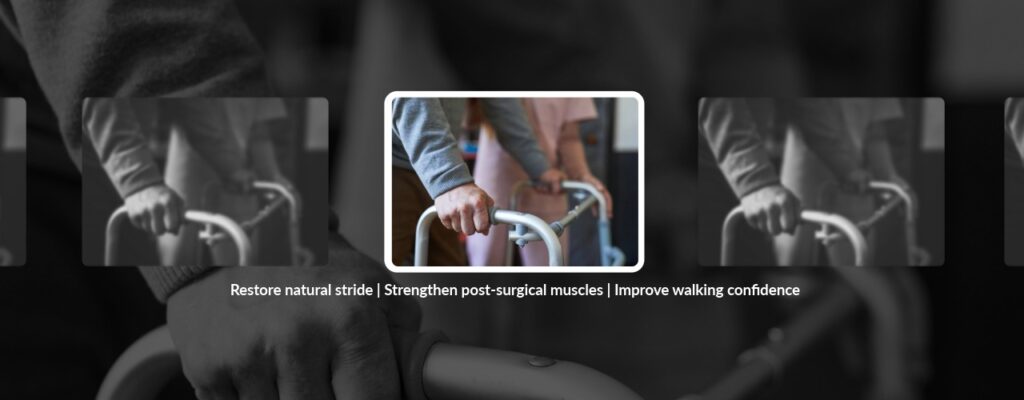

You might not think twice about how you walk until surgery changes your walking pattern. Many people are surprised to find that even after their incision has healed, their stride still feels off. Maybe one leg feels weaker, steps feel shorter, or balance feels uncertain. These gait changes after surgery are common and completely normal, but they can reveal a great deal about the body’s healing process. Understanding why your walk feels different and how to restore it is the key to regaining confidence, comfort, and independence in every step.
What You Need To Know About Surgery and Gait Changes
After surgery—whether it’s a hip replacement, knee repair, or back procedure—it’s common for patients to notice they move differently when walking. These gait changes may include limping, shorter steps, slower movement, or uneven weight-bearing.
A gait change simply means an alteration in the way someone walks. Even minor surgical procedures can affect how muscles and joints work together. Sometimes the change is temporary, caused by stiffness or pain during recovery. In other cases, compensations formed before or after surgery become habits that last longer than they should.
Why Surgery Affects How You Walk
Surgery changes how the body moves and how it feels during movement. Even surgeries on unrelated areas, such as the back or abdomen, can subtly alter how your legs move and how your core supports your stride.
Some of the most common reasons for this include:
Pain and Protective Movement
- After surgery, the body instinctively avoids putting pressure on the operated area. This leads to limping or uneven weight distribution.
Muscle Weakness
- Muscles surrounding the surgical site may weaken during recovery, especially if they weren’t used much before or after the procedure.
Joint Stiffness
- Limited range of motion in the hip, knee, or ankle can shorten your stride or cause you to swing your leg differently.
Scar Tissue and Swelling
- These can limit mobility and change how your leg moves with each step.
Nerve Sensitivity
- Postoperative nerve irritation may alter the body’s perception of position and movement, leading to instability.
Why Gait Changes Matter
It might seem harmless to walk a little differently after surgery, but gait changes can affect much more than just the legs. Over time, they can lead to:
- Muscle imbalances and weakness
- Increased strain on the spine or other joints
- Fatigue or reduced endurance
- Higher risk of falls
- New areas of pain in the hips, knees, or back
Addressing gait changes after surgery early ensures the body heals with proper alignment and coordination, preventing long-term complications.
How Physical Therapy Helps Restore Normal Walking
Physical therapy plays a vital role in retraining the body’s movement after surgery. A physical therapist evaluates posture, strength, mobility, and coordination to identify what’s contributing to your gait pattern.
A personalized program may include:
- Strengthening exercises focused on the hip, thigh, and core muscles to stabilize movement.
- Targeted stretches and mobility drills to improve range of motion.
- Personalized, comprehensive gait training to correct walking mechanics.
- Balance and coordination exercises to improve confidence and prevent falls.
- Training in the safe usage of assistive devices like canes, crutches, or walkers as needed.
The Role of the Brain and Body Connection
After surgery, the body’s nervous system must relearn how to coordinate movement. This process, called motor re-education, helps reconnect the brain’s movement signals with the body’s mechanics.
When someone has been walking differently for weeks or months, the brain records that pattern, even if it’s causing pain or dysfunction. Physical therapy helps rewrite that memory, teaching the body to move efficiently again.
This mind-body connection is why consistency matters. Small daily improvements, guided by a professional, lead to steady progress toward a natural gait.
Regain Confidence in Every Step
Gait changes after surgery are normal, but they shouldn’t be permanent. With professional guidance, most patients regain full movement and often improve their strength and balance beyond their pre-surgery levels.
If you’ve noticed limping, stiffness, or uneven movement after a recent procedure, it’s time to take the next step toward full recovery. At Prevail Physical Therapy Services, our physical therapists specialize in helping patients correct gait changes after surgery through individualized, evidence-based programs.
Contact us today to schedule your assessment and start walking with comfort and confidence again.