
How to Know If Your Back Pain Is Caused by a Herniated Disc
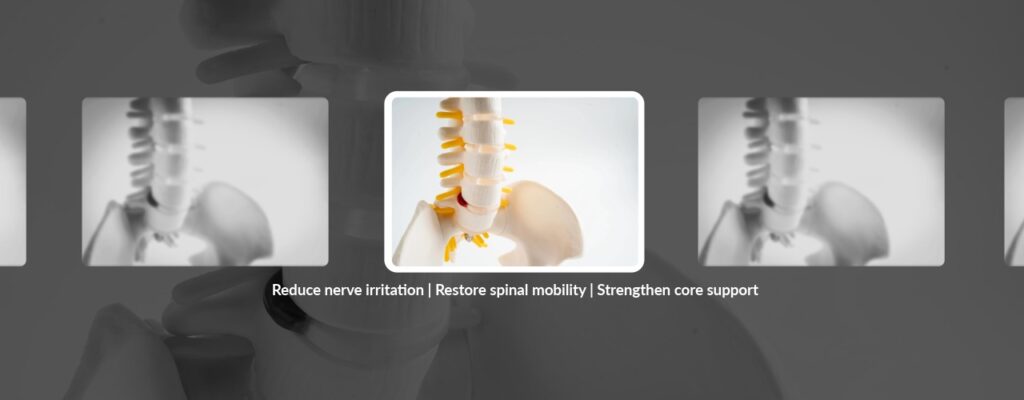

Back pain is one of the most common complaints among adults, but not all back pain is the same. Sometimes, it’s caused by muscle strain or poor posture, but in other cases, the culprit is a herniated disc, a condition in which the cushioning discs between your vertebrae bulge or rupture. Understanding herniated disc symptoms can help the team at Prevail Physical Therapy Services get you the right care for your needs.
What Is a Herniated Disc?
Your spine is made up of a series of bones separated by soft, rubbery discs that act as shock absorbers. Each disc has a tough outer layer and a gel-like center. When that center pushes out through a crack or weak spot in the outer layer, it’s called a herniated disc (sometimes referred to as a “slipped” or “ruptured” disc).
If this bulging material presses on nearby nerves, it can cause a range of symptoms that distinguish a herniated disc from other types of back pain.
Recognizing Herniated Disc Symptoms
Here are the most common herniated disc symptoms to watch for:
1. Localized Back Pain
Pain is often sharp or burning and typically felt in the lower back or neck, depending on the location of the disc herniation. It may worsen when bending, twisting, coughing, or sitting for long periods.
2. Radiating Pain
When a herniated disc presses on a spinal nerve, pain may travel down the arms or legs.
- In the lower back, this is known as sciatica, where pain radiates down one leg.
- In the neck, pain can spread through the shoulder, arm, and even into the fingers.
3. Numbness or Tingling
Compression of nerves can cause a pins-and-needles sensation in the affected limb. These sensations often follow a specific nerve path.
4. Muscle Weakness
You might notice weakness in the muscles controlled by the affected nerve, such as difficulty lifting your foot or gripping objects tightly.
5. Pain That Worsens With Movement
Simple actions like standing, walking, or sneezing may increase pain due to pressure changes in the spine.
What Causes a Herniated Disc?
Another way to determine if your back pain is caused by a herniated disc is to consider your risk factors. Although anyone can experience a herniated disc, it’s most common in adults between 30 and 50 years old. Causes can include:
Age-Related Degeneration
- Discs naturally lose flexibility and water content with age, making them more prone to tears.
Repetitive Stress
- Jobs or sports that involve frequent bending, lifting, or twisting can strain spinal discs.
Injury or Trauma
- A fall, heavy lift, or sudden movement can cause a disc to herniate.
Poor Posture and Weak Core Muscles
- These factors increase pressure on the lower spine.
What to Do If You Suspect You Have a Herniated Disc
If you think your pain matches herniated disc symptoms, early intervention can make a big difference. Here’s what to do:
1. Avoid Aggravating Movements
Try to limit heavy lifting, bending, or twisting that worsens your pain. Rest can help initially, but prolonged inactivity may slow recovery.
2. Apply Heat or Ice
Ice can help with pain during the first 48 hours, while gentle heat can relax tight muscles afterward.
3. Try Gentle Movement
Short walks and light stretching can maintain circulation and prevent stiffness.
4. Seek Physical Therapy
Physical therapy is one of the best ways to manage a herniated disc in the long term. The team at Prevail Physical Therapy Services will work with you to design a customized program to reduce pain, restore mobility, and strengthen core and spinal muscles to prevent future injuries.
Don’t Let a Herniated Disc Hold You Back
Back pain is common, but herniated disc symptoms often have distinct signs, such as radiating pain, numbness, or muscle weakness. The good news is that with proper diagnosis and early interventions with physical therapy, most people recover fully and return to normal activity without surgery.
If you suspect a herniated disc, don’t ignore the signs. Schedule an evaluation at Prevail Physical Therapy Services instead. Our team can help you identify the cause and guide you on the best path to relief.