



Breaking news!
Prevail PT has finally contracted with Premera health insurance to be in-network providers for their subscribers as of October 1, 2024! We have been trying for many years to get into the Premera network but their credentialing panels have been closed during that time, but they just opened and we immediately credentialed all of our providers and contracted with Premera. If you have been waiting to see us because of this delay or have been paying out of pocket, call us now to get on the schedule or provide your insurance information so you can resume quality, and now cost-effective therapy at Prevail!
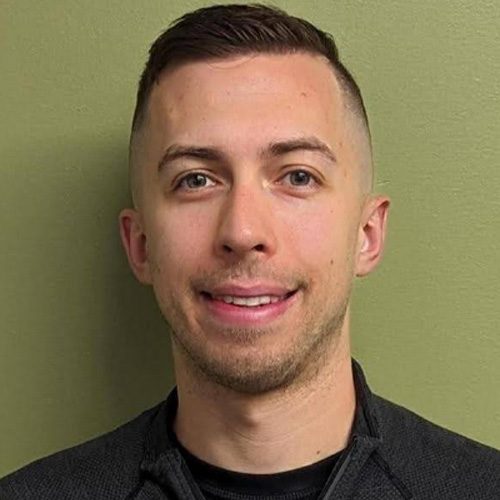
Keagan is Back!
Keagan Tice, DPT spent a few months away recently but made it back and rejoined the Prevail team last month. Some of his previous clients have already reconnected, but if you’ve been waiting to see him for anything, give us a call to get back on his schedule.
Does Stress Cause Neck Pain?

Does stress cause neck pain? The short answer is no! At Prevail Physical Therapy, we like to say “contributes to” instead of “cause.” The casual way healthcare professionals throw around terms can lead to confusion and, worse still, ineffective treatment. Fortunately, our highly skilled therapists know how to dig deep and find the root cause of your neck pain, and this information helps you find relief!
Let’s discuss Nicole, a 40-something-year-old working mother of three. Nicole was used to being very active, balancing her work schedule with getting her kids to all the various activities and school functions that come with being a mom nowadays.
Her neck pain first started as a crick in the neck when she woke up one morning. As the day progressed from driving her kids around to sitting at her desk, she noticed turning her head became more difficult and painful, making focusing on work nearly impossible.
Nicole struggled to figure out why her neck started hurting and came to the conclusion that stress “must be” the culprit. The more pain and difficulty moving she had, the more convinced she was that stress was to blame.

Understanding Nicole’s Neck Pain
One of the most common things we hear from our patients is that their pain started for “no apparent reason.” Like Nicole, people will wake up with a crick in their neck or notice a stiffness turning when driving in the car. It is also common for people to notice tightness in their upper back and neck after a long day.
So, what is actually the source of the pain? In most cases, there is an issue with the neck joints or the neck muscles due to prolonged positions. Our neck joints don’t like remaining in any position for extended periods. In Nicole’s case, she first noticed her pain in the morning, which may have been related to her neck position while sleeping. It is also important to note that in Nicole’s case, the first sign of any issue was in the morning when she woke up, unrelated to stress.
As Nicole’s day progressed, her pain got worse. But this also was more likely related to how she held her neck while driving or sitting at her computer. In both cases, her posture, specifically how she held her neck, seems to have contributed to her pain. Prolonged sitting can lead to a forward head position, resulting in tension to soft tissue (i.e., muscles, tendons, and ligaments) or negative changes to our blood flow.
The muscles of our neck function best when we move them. So, holding her head in one position likely led to irritation of the muscles and affected her ability to move her neck, which in turn caused stress.
Stress “contributes” to neck pain because, when we experience stress, our bodies naturally respond by tensing up as a protective measure. This tension can lead to discomfort, particularly in the neck and upper back region. Research studies have found that individuals with higher stress levels reported increased neck pain as compared to those with lower stress levels. This is why we say “contributes” to, but not the cause of, neck pain.
How Physical Therapy Can Help Alleviate Neck Pain
We will target the source of your pain by performing a thorough examination, starting with your medical history and details about how, when, and where your symptoms began. As we saw with Nicole, determining how, when, and why the pain started helps us eliminate possibilities and get to the actual root cause(s).
Our therapists will also analyze your posture and movement to identify any limitations or restrictions contributing to your condition. We’ll use this information to design a program that addresses your specific needs.
Our treatment plans focus on relieving your pain and improving your posture, mobility, strength, etc., and educating you about managing your symptoms. Your program will likely include manual therapy (i.e., soft tissue work and/or joint mobilizations), targeted stretches, exercises, activity modification, or posture recommendations.
We’ll listen to your unique situation and specific issues and then work to help you find relief and get back to your normal routine.

Book Your Appointment Today!
If you’re dealing with neck pain or looking for someone to help you figure out what is causing your issues, call us today and set up a consultation!
Being Grateful is Good For You!
We Are Grateful for You
Prevail is a locally owned, family business that is only able to operate despite very challenging times in healthcare because of our loyal patients, friends and network of support. From our family to yours, thank you for letting us continue to serve you and our community!
Gratitude and Health
Feeling thankful can improve your health in both direct and indirect ways. Some research shows that the experience of gratitude can induce a sense of relaxation, improve the immune system, and decrease blood pressure. But grateful people also tend to cultivate better health habits, like eating more nutritious food, exercising, and avoiding risky behaviors. In addition, the optimism that stems from gratitude can create a healing attitude: research shows that people with optimistic attitudes have better outcomes after medical procedures.


Gratitude and Joy
Robert Emmons, an internationally renowned scientific expert on gratitude, has found that acknowledging the good in life has a tendency to amplify positive emotions, such as joy and contentment, because it helps us slow down. “I think gratitude allows us to participate more in life,” he says. “We notice the positives more, and that magnifies the pleasures you get from life.” Consider the last time you had a good cup of coffee—did you pay attention to the warmth of the cup on your hands, or the feeling of pleasure as you took the first sip? It’s easy to ignore these small moments of positivity in our day as we rush from one activity to another, but stopping to appreciate them makes them more powerful.
Gratitude and Resilience
Practicing gratitude can also make you better equipped to handle the difficulties of life that inevitably arise. In fact, according to Emmons, it’s an essential part of the process of healing from trauma. Even despair can be mitigated by the experience of appreciation for the good, however slight it might be. Thankfulness for the small blessings helps you maintain your humanity despite experiencing a tragedy or loss. Many people with life-threatening illnesses also report decreased distress and increased positive emotions when they practice gratitude.
Recent MRI studies have mapped the gratitude circuitry in the brain, which activates a sense of reward, fairness, and decision-making—all aspects that help facilitate survival and post-traumatic growth.

Our Patients Get Great Results
“My family and I have been going to Prevail PT off and on since it opened. We have received nothing but the best of care, which is why we keep going back. The staff are knowledgeable, kind and have a wide range of tools to help get the body back to working order.”
– Ally.

Do you have a family insurance plan or HSA?
Have you had surgery this year?
Have you used your insurance more than usual?
If you answered YES, you are more likely to have met your insurance deductible for the year and have a $0 balance remaining in your out-of-pocket expenses. This means the cost of physical therapy could be minimal or even completely covered by your insurance plan. Now is the time to come in for physical therapy! Are you feeling aches and pains? Let us help you get a head start on a pain-free 2025.
Call us today! We’ll guide you to affordable treatments for pain relief.
Come Back to Physical Therapy at Prevail!
Feeling pain or slowed down? Come back to Prevail Physical Therapy for a personalized plan to get you strong, pain-free, and moving again!

Tell Your Story!
Had a great experience at Prevail Physical Therapy? We’d love to hear from you! Share your review and help others discover the care and support we offer.
Follow Us on Social Media!
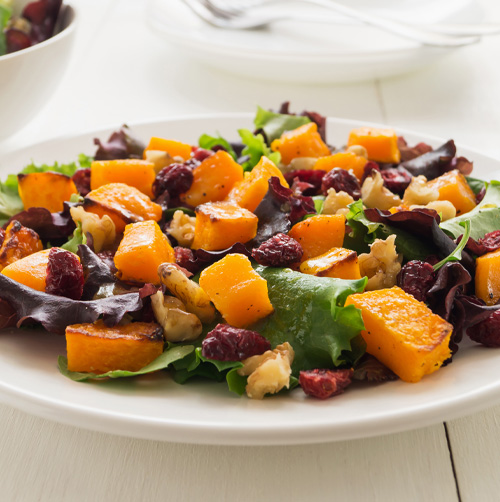
Quick & Easy Healthy Recipe
Leftover Turkey Salad
Ingredients:
- 1 cup leftover bread stuffing
- 4 tbsp extra-virgin olive oil
- ¼ cup leftover cranberry sauce
- 1 tbsp cider vinegar
- 1 tsp grated orange zest
- ¼ tsp salt
- ¼ tsp ground pepper
- 8 cups mixed salad greens
- 2¼ cups chopped leftover turkey
- 1 cup leftover roasted vegetables
- 3 tbsp dried cranberries
Directions:
Heat 1 tablespoon oil in a large nonstick skillet over medium heat. Add stuffing and cook, stirring, until crisp, 8 to 11 minutes. Set aside. Whisk cranberry sauce, remaining 3 tablespoons oil, vinegar, orange zest, salt and pepper together in a large bowl. Add greens, turkey and roasted vegetables; toss to coat. Sprinkle with the stuffing croutons and dried cranberries.
Thank You for Subscribing to Prevail Physical Therapy
Refer a Friend

Our purpose at Prevail Physical Therapy is to leave a greater impact on the community around us. In order to achieve our goal we want to change as many lives as possible as we become a beacon of positivity in our community.
Meet Our Team

Bruk Ballenger
PT, DPT

Sam Kidder
PT, DPT

Rachel Krieder
PT, DPT
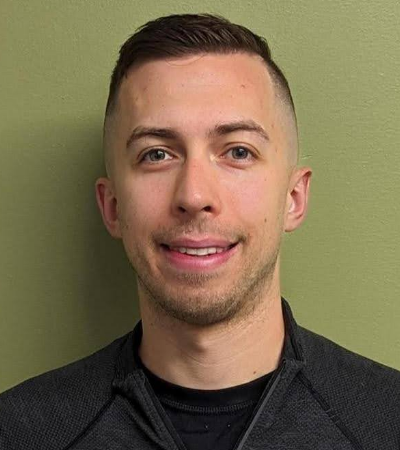
Keagan Tice
PT, DPT

Adam Waggoner
PT, DPT


Stephanie Dunagan
Office Manager

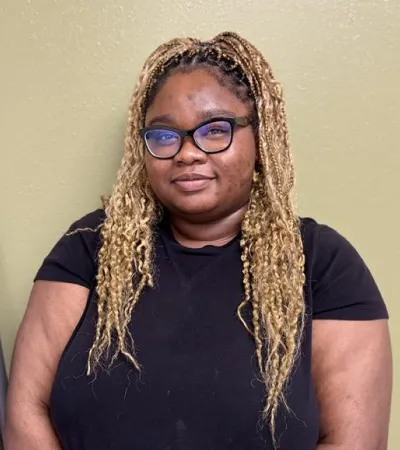
Vanessa N.
Client Services Coordinator