


Check out the new Bone Health Program at Prevail PT!
If you are over about 30 years old you are starting to lose bone density, and the rate of decreasing bone density accelerates as we age, especially for women during and after menopause. Low bone density increases the likelihood of difficult problems like bone fractures and spine degeneration. More and more people are wisely getting bone scans to determine their bone density, sometimes resulting in a diagnosis of Osteopenia or Osteoporosis.
The good news is that loss of bone density is preventable and sometimes even reversible! Your doctor can help with tests and counseling regarding nutrition and metabolic conditions that affect bone density, but there is a long history of great evidence that proves that exercise is an excellent way to improve bone density. Prevail Physical Therapy has launched a new, clinical Bone Health Exercise program!
Exercise for bone density needs to include specific requirements though, and often the people that need Bone Health exercises already have musculoskeletal issues (example; osteoarthritis) that make proper bone loading painful or injurious. The benefit of doing such an exercise program in a physical therapy clinic is that we are trained to address those issues, and can treat them and/or accommodate them as you go through the Bone Health exercise program.

The goal of this program is to determine your starting point and gradually work toward an exercise program sufficient to help your bones (and overall strength and wellness) until you are eventually able to graduate and continue on your own. And yes, insurance typically covers this program!
Look for a new web page coming soon for more information, and contact us now to schedule your Bone Health program. If you are already a patient at Prevail PT, ask your clinician how you can start the program.
How Physical Therapy Can Help Sports Injuries This Spring

At Prevail Physical Therapy Services, we are experienced in dealing with all spring sports season injuries and can give you the programs to prepare you for the season and prevent new injuries! Are you starting a training plan for hiking, running, cycling or triathlon? Are you looking forward to getting out on the courts? Do you look forward to golf or the start of baseball/softball season?
For many people in the Pacific Northwest, the winter season can be sedentary and lead to more aches, pains, and discomfort than one may think. Fortunately, the warm weather is a great time to get outdoors and get active.
If you find yourself in pain as you shake off the rust and start returning to your favorite activities, like running, cycling, swinging a club or racquet, or you’d like to discuss ways you can get in shape to prevent any injury, don’t hesitate to contact Prevail Physical Therapy Services.
Whether you are a young athlete or have played sports for decades, our physical therapists know how to treat your injuries and get you back in the game.
Common Causes of Sports-Related Injuries
Injuries are a part of sports, but you can resolve them quickly and get back to doing what you love with a proactive approach to rehabilitation. Most athletes learn that taking care of issues when they are small leads to a faster recovery.
Sprains and Strains
Many people think sprains and strains are the same, but they describe problems of different tissues. Tendons are tissues that connect muscles to bones, and ligaments are tissues that connect bones to the bone.
- Sprains occur when a ligament is stretched beyond its limits or torn.
- Strains occur when a tendon or muscle is overloaded or stretched beyond its limits or torn.
Sprains are typically the result of a trauma, a deceleration (slowing down) movement, or a sudden change in direction. The most common symptoms include pain, inflammation, muscle spasm, and sometimes an inability to move the joints where the injury occurred.
Ankle sprains, for example, are often the result of a faulty step while running or stepping on uneven terrain. The injury occurs when the ankle rolls, twists, or turns awkwardly to the outer aspect of the ankle (i.e., lateral ankle sprain). This sudden stretch leads to partial or complete tearing of the ligaments supporting the ankle joint. The severity of the injury will determine the degree of pain, inflammation, and ability to move the joints where the injury occurred.

Approximately 85% of ankle sprains are inversion sprains (i.e., rolling outward). This injury damages the outside (lateral) ligaments and may lead to restrictions on how the joint moves. The joint restrictions will, in turn, affect the athlete’s ability to tolerate running and jumping and may also lead to chronic ankle instability and new injuries that impact an athlete’s ability.
It is important to note that it is in your best interest to have a physical therapist make sure a sprain is fully healed before returning to your normal level of physical activity. Regardless of the type and nature of your sports injuries, our team can help!
What to Expect from Physical Therapy
The overall goal of physical therapy is healing and prevention. In addition to treating the injury, our physical therapists will help resolve any pain, restore motion and strengthen the affected area to prevent additional injury.
An effective rehabilitation program depends on a thorough history to understand the exact nature of the injury and the athlete’s goals. We use the information gathered in the initial evaluation to identify the underlying condition and pathology of the symptoms.
The initial stages of physical therapy will focus on restoring any lost motion, reducing the swelling, correcting movement and muscle imbalances and determining how active we can keep you during the recovery process.
Your physical therapist may incorporate manual techniques and modalities to reduce pain and inflammation before initiating active rehabilitation. Our programs focus on correcting dysfunction and/or improper technique and equipment.
Dysfunctional movement patterns can last for years, leading to re-injury and other injuries. Our therapists will design a comprehensive program that includes restoring range of motion, strengthening, neuromuscular control, proprioceptive responses, and sports-specific exercises. We will look for any changes in your gait pattern that may make it difficult for you to move around freely.
Our physical therapists will show you therapeutic exercises to address any underlying issue, such as a weakness that may be contributing to altered movement patterns, balance issues, and overall susceptibility to more injuries. We will perform a comprehensive assessment to ensure we provide the tools you need to enjoy the sport you love!

Contact Prevail Physical Therapy Services To Schedule An Appointment
We will work with you at Prevail Physical Therapy Services to accommodate your needs by providing the most advanced rehabilitation strategies and injury prevention programming.
For more information, contact us today!
How Physical Therapy Can Help Your Pickleball Injuries
No matter what your skill level or experience with Pickleball, learning how to prepare your body correctly is the key to enjoying the sport. Pickleball is the fastest growing sport in America, and the game is gaining more and more players every day.
Pickleball is an easy and fun way to stay active. The sport is similar to other racquet sports and is often played on modified tennis courts.
Unfortunately, some people jump right into pickleball without adequate preparation or training to prepare their bodies for the demands on their muscles, tendons, and joints. At Prevail Physical Therapy Services, our physical therapists have proven success working with people of all ages to recover from injury and resume whatever sport they enjoy.
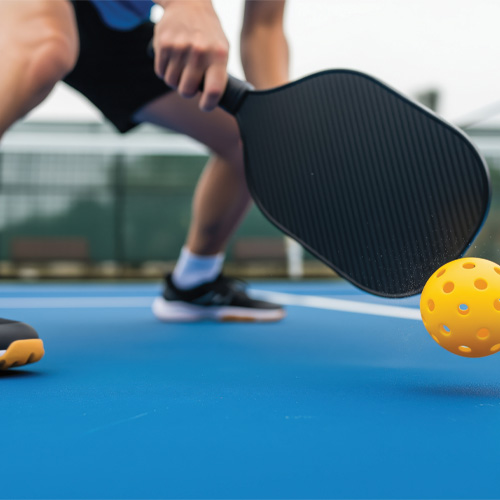
The Most Common Injuries Associated With Pickleball
Pickleball requires abrupt changes of direction and stopping and starting movements, all of which have been linked to non-contact injuries like sprains and strains which means many pickleball injuries are preventable. There is also the potential for falling and repetitive movement type injuries, especially to the upper extremities. Another potential risk of injury stems from the lack of preparation and the age of the deconditioned athletes.
The most common injuries in Pickleball include:
- Ankle sprains
- Achilles tendon injuries and inflammation
- Patella (knee cap) tendinopathies
- Hamstring, adductor (inner thigh), or quadriceps muscle strains
- Shoulder impingements and rotator cuff injuries
- Elbow tendonitis (Tennis elbow)
- Wrist fractures from falls
What to Expect at Physical Therapy Sessions
Physical therapy should start immediately following most injuries to ensure the fastest recovery possible. A physical therapist with experience treating sports-related injuries will conduct a thorough evaluation to determine the injury’s severity and identify any other factor that may affect your ability to recover promptly.
Next, your therapist at Prevail Physical Therapy Services will create a targeted, individualized treatment plan for you to promote an accelerated recovery plan and prevent future injuries associated with Pickleball.
For example, your physical therapist will guide you through exercises designed to condition the arm and shoulder for power shots and your legs to control hard stops. We will start with pain management and restoring mobility to the injured area, then design exercises to meet you where you are at with your injury and ability.
Request an Appointment Today!
At Prevail Physical Therapy Services, our therapists are experts at treating Pickleball-related injuries. We have proven success with treating athletes of all skill levels and ages.
Call today to schedule an appointment with one of our specialists!
Our Patients Get Great Results
“I am getting therapy from Adam for a recent shoulder replacement. I have had two knee replacements and back surgery, for which I received therapy at another therapy center. My previous therapies and therapists provided nothing like the quality of care I am receiving now. Adam shares his extensive knowledge of anatomy and how my muscles are working specifically, so we can isolate and work on different parts of my shoulder. We work on the areas of my shoulder in steps, and we add new exercises as I improve.
I love the facility, the amount of equipment they have, and the openness of the exercise room. They do have private rooms, if and when they are needed.
An added bonus is that Prevail Physical Therapy has a large number of therapists available, so there is little wait time to get an appointment. That is important so you can start your treatments shortly after surgery.”
– Alison F.

April Word Scramble
olofs
rwhesso
sutpli
aiprodsnr
tlaeacprilr
angrde
Answer Key
fools
showers
tulips
raindrops
caterpillar
garden
Bike Fitting Services: Ride More Comfortably and Efficiently
Whether you’re a recreational rider, commuter, or competitive cyclist, proper bike fit plays a critical role in comfort, performance, and injury prevention. At Prevail Physical Therapy, bike fitting has been a long-standing specialty, combining clinical expertise with a deep understanding of cycling biomechanics.
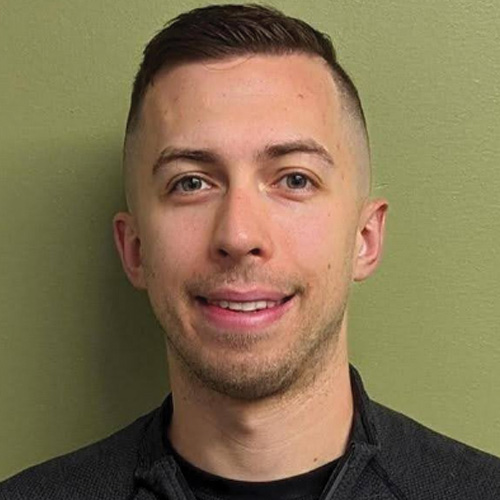
Our bike fitting services are led by Keagan Tice, PT, DPT, who has advanced training in movement analysis, injury rehabilitation, and performance optimization. Keagan brings both clinical experience and personal insight as a triathlete, allowing him to understand the demands cyclists place on their bodies at every level.
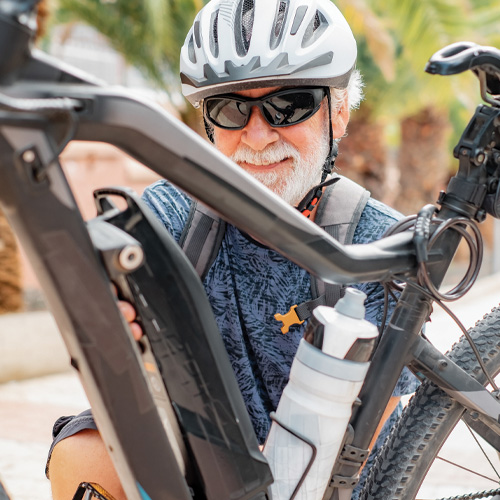
Each bike fit begins with a comprehensive cyclist evaluation, including a physical exam, movement assessment, and detailed interview. From there, riders undergo video motion analysis and on-bike assessment to identify inefficiencies, sources of discomfort, or injury risk. Fit recommendations may include adjustments to saddle height or position, cleat alignment, handlebar setup, custom orthotics, and corrective exercises to address strength or mobility limitations.
Prevail Physical Therapy also partners with R2 Bicycles, allowing for seamless collaboration on equipment, components, and advanced fitting tools. Bike fitting services can be completed as part of physical therapy (often covered by insurance), out-of-pocket, or through a hybrid option.
The goal is simple: help you ride stronger, more efficiently, and with less pain—so you can enjoy every mile.
Exercise of the Month
BRIDGING
Begin on your back. Bend your knees and keep your back flat on the ground. Gently, contract your abdominals and hold to keep your back flat as you move up into the bridge position. Remember to breathe. Gently, squeeze your butt muscles and lift your hips off the ground. The goal is to have your hips aligned with your knees and shoulders. Hold for 5 seconds.
3 Sets, 10 Reps.
Come Back to Physical Therapy at Prevail!
Feeling pain or slowed down? Come back to Prevail Physical Therapy for a personalized plan to get you strong, pain-free, and moving again!

Tell Your Story!
Had a great experience at Prevail Physical Therapy? We’d love to hear from you! Share your review and help others discover the care and support we offer.
Follow Us on Social Media!

These no-bake energy bites are quick to make, easy to digest, and perfect for fueling up before a run. They provide a balance of carbohydrates for quick energy and healthy fats to help you feel satisfied without weighing you down.